What we're learning from the Racism in Schools report

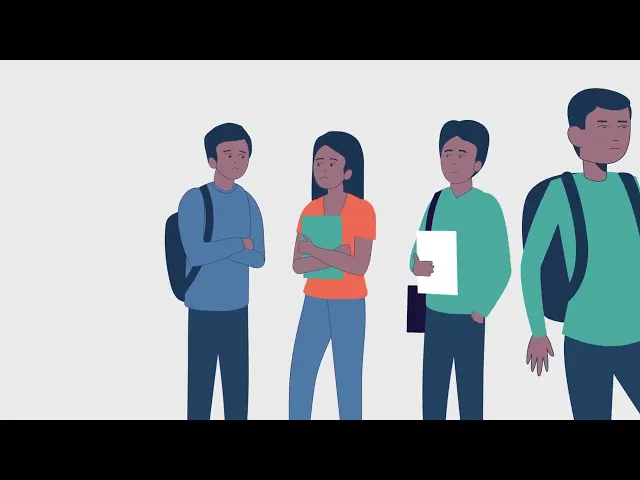
In 2022, Ubuntu Project released Racism in Schools: African Australian Students Speak Up, drawing on an online survey and focus groups with African Australian high school students and recent graduates across Melbourne. The report sought to do something simple but important: listen directly to young people and document how racism was affecting their everyday experiences at school.
The findings were confronting. 87% of survey respondents reported experiencing discrimination at school because of their race, ethnicity or religion, rising to 95% among young women. More than 90% had witnessed another student being targeted by racism.
Importantly, students told us racism was not limited to interactions between students. Teachers were identified as a source of discrimination by 67% of respondents. Of those who experienced discrimination, 55% spoke up or reported it to a staff member, yet 88% felt teachers did not take their case seriously.
The focus groups gave these statistics a human face. Young people described being over-monitored, receiving harsher punishment, having their academic abilities questioned and experiencing lower expectations about their education and future. African Australian boys spoke about being stereotyped as aggressive or threatening, while young Muslim women described the overlapping effects of racism, gender and religious discrimination.
One of the strongest lessons from the report is that responding to racism cannot place the responsibility solely on young people. Schools need systems and cultures where students feel safe to speak up and trust that action will follow.
The report called for stronger anti-racism education, culturally responsive training for school staff, independent reporting mechanisms, greater diversity among educators, stronger engagement with families, and community-led mentoring and leadership opportunities.
Ultimately, culturally safe schools are not created simply by responding when racism occurs. They are created by listening to students, addressing unequal treatment and actively building environments where every young person feels respected, believed and supported to succeed.
Similar Blogs
News, Voices & Impact
Explore updates, field notes, and stories that showcase our mission and impact.


